
Correlation or Causation?
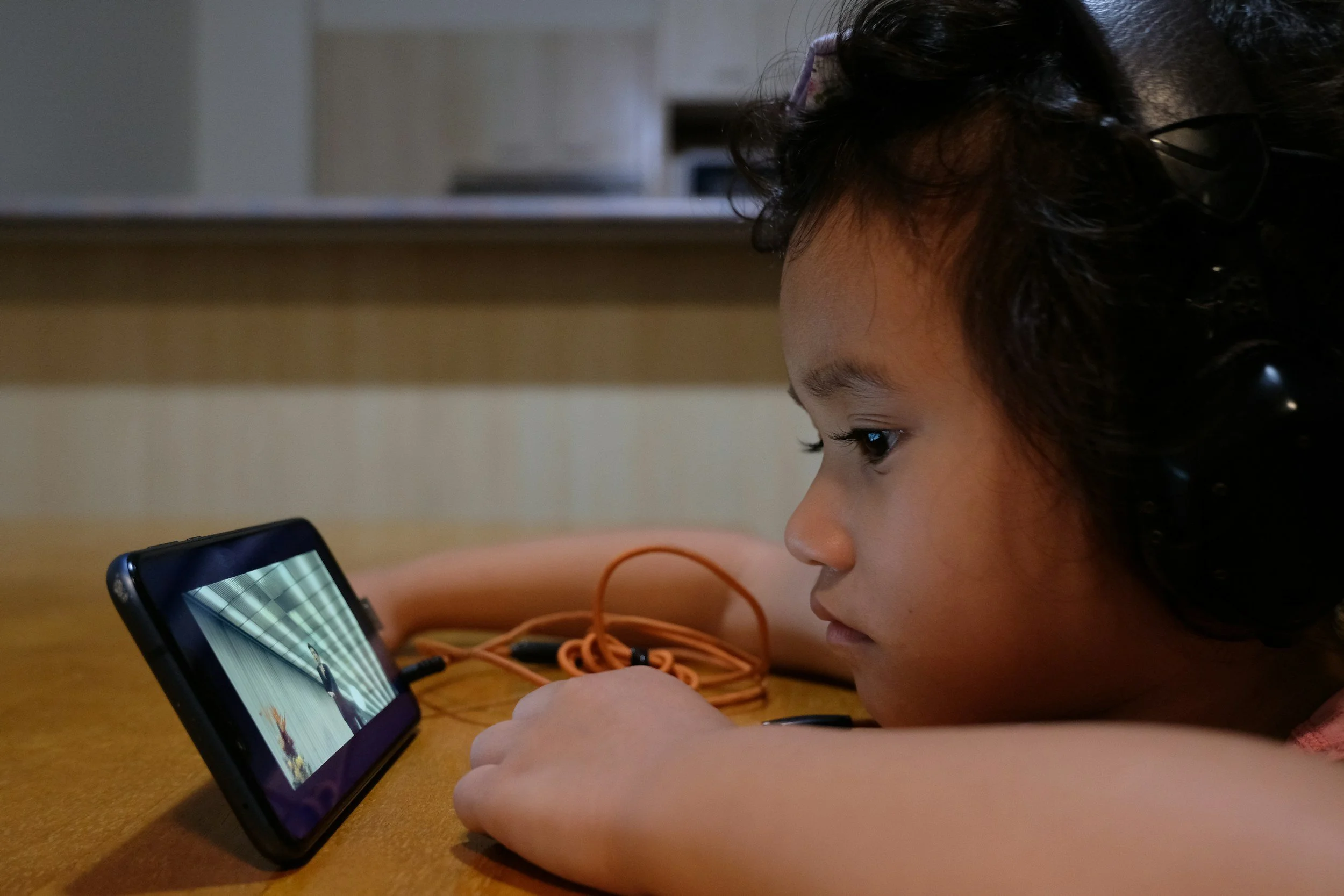
We are living through a strange historical paradox. Modern children are safer from physical harm, medical neglect, and structural danger than any generation in human history. Yet, beginning in the early 2010s, rates of adolescent anxiety, depression, and self-harm broke away from historical trends and surged upward into a full-scale crisis.
When searching for the roots of this phenomenon, cultural commentary often forces a false choice: Is it the physical overprotection of children, or is it the digital hyper-connection of the smartphone?
Two of the most prominent contemporary voices on youth well-being—researcher and psychologist Dr. Peter Gray and social psychologist Jonathan Haidt (The Anxious Generation)—are frequently framed as tackling separate culprits. Gray points to the systemic elimination of free play and unsupervised autonomy, while Haidt points to the rapid takeover of childhood by the phone-based life and social media algorithms.
Yet, when we look past the surface-level diagnosis of tools versus playgrounds, a profound convergence emerges. Haidt and Gray are not telling different stories; they are describing two halves of the exact same coin. Together, they reveal that the smartphone did not hijack childhood out of nowhere—it conquered a vacuum left by a society that had already locked its children indoors, moving at the frantic pace of the world rather than the steady, patient pace of nature.
The common denominator: The Evolutionary Mismatch
At their core, both Gray and Haidt operate from the same fundamental, scientific reality: human children are biologically and evolutionarily adapted for a specific developmental niche.
For thousands of years, human childhood was defined by physical reality. It was an apprenticeship in the real world, anchored in open-ended play, natural risk exposure, cross-age peer socialization, and real-world friction. Children grew resilient precisely because they were forced to navigate physical reality, resolve social disputes without adult referees, and learn to master their own fears.
Both authors agree that modern society has engineered an unprecedented, catastrophic departure from this evolutionary blueprint. We have substituted a world of physical breadth, messy experimentation, and deep community roots with a sterile, hyper-managed environment. Whether through the risk-averse panic of modern parenting—which treats every scraped knee or unsupervised walk to the park as a mortal threat—or the frictionless, hyper-stimulating glow of a glass screen, the traditional upbringing of children has been severed from its natural foundations.
Parallel Pillars: Where Haidt and Gray Converge
Far from contradicting one another, Gray’s work on play deprivation and Haidt’s work on the phone-based childhood run on parallel tracks, sharing three foundational pillars:
The Death of Agency and the External Locus of Control: Both thinkers recognise that modern children suffer from a profound deficit of autonomy. Gray demonstrates that when adults strip away free play, children lose their internal locus of control, leaving them vulnerable to anxiety because they never practice being the masters of their own fate. Haidt maps this exact same vulnerability onto the digital space: social media algorithms externalize a child's self-worth, tethering their emotional stability to quantifiable, algorithmic validation.
Adult Over-Involvement and Hyper-Regulation: Both critics point an accusing finger at a culture that bubble-wraps children in the physical world, substituting helicopter parenting and hyper-scheduled routines for genuine unstructured freedom. When children feel restless or suffocated by this over-managed existence, well-meaning adults hand them a smartphone—a digital pacifier to keep them quiet, contained, and "safe" indoors.
The Need for a Collective Cultural Correction: Neither author treats this crisis as a failure of individual parenting that can be fixed with lifestyle hacks. Both argue that the problem is systemic, requiring a coordinated, community-level response to reclaim neighborhood autonomy, restrict screen culture, and restore sanity to how we raise the young.
The Bridge: Why the Phone Won
When we bridge their arguments, the full picture comes into sharp focus.
The smartphone did not conquer a healthy, thriving generation of children. It colonized a generation that was already profoundly isolated, heavily monitored, and starved of real-world agency. By the time mobile internet saturated the market around 2010–2012, children had already been pulled off the streets, out of the woods, and away from the spontaneous neighborhood play groups that once built natural resilience.
When children were told they could no longer explore the physical commons, they retreated indoors. The smartphone became the inevitable substitute for peer socialization. It offered a clever, hyper-addictive simulation of connection to minds that were evolutionarily desperate for community. But unlike real-world play—which teaches emotional regulation through friction and face-to-face empathy—the digital substitute delivered its rewards through a frictionless loop that bypassed every natural human guardrail, feeding an insatiable consumer appetite for "more, more, more".
Reclaiming the Rooted Life
Reconciling Dr. Peter Gray and Jonathan Haidt gives us a complete roadmap for healing the anxious generation. It tells us that a two-front stewardship is required:
We must reclaim the physical commons: We have to loosen our grip as adults, give children back their unsupervised time, and normalize the reality that children grow brave by facing manageable physical and social risks in the natural world.
We must close the digital escape hatches: We must build collective social boundaries that protect childhood from the predatory design of the phone-based consumptive life, recognizing that digital connection is a part of life, but a poor substitute for the messy, grounding reality of face-to-face community and the Earth.
Ultimately, the anxiety crisis is a symptom of a deeper root, not necessarily the cause. When we lock children away from the seasons, the dirt, the risks, and the unmediated freedom of the natural world, we shouldn't be surprised when they seek refuge in the virtual glow of a screen. To heal the generation, we do not simply need to take away their phones—we need to give them back their world.